Diesel Fuel System Repair in Springdale, AR
FASS Fuel System Installation & Diesel Performance Optimization in Northwest Arkansas
What Makes the FASS System Vital to Your Diesel Truck
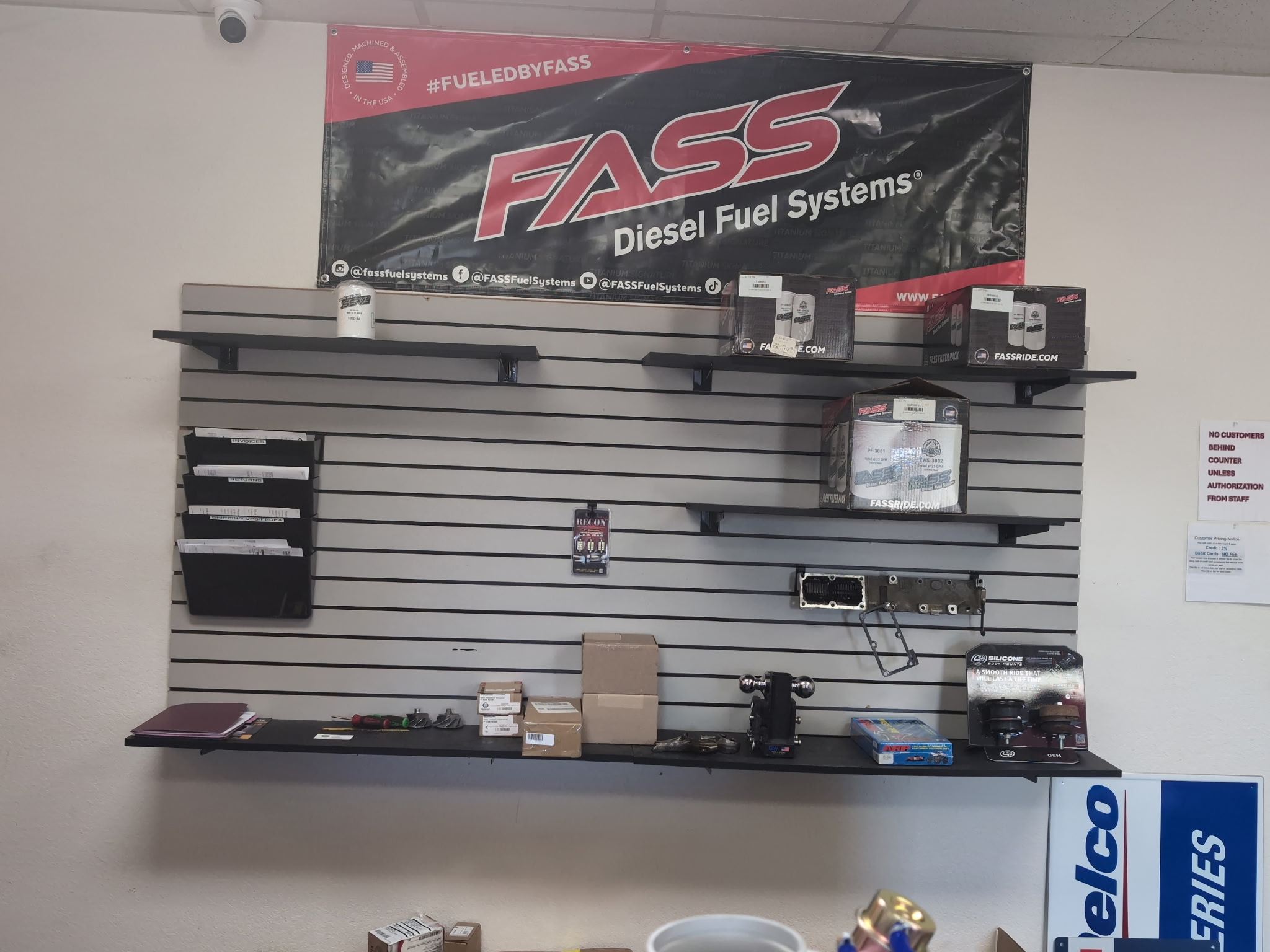
If your diesel pickup suffers from poor mileage, hard starts, or inconsistent engine performance, the culprit may lie within your fuel delivery system. At 4W Diesel Injector Service LLC in Springdale, AR, we specialize in diesel fuel system repair and FASS installation for truck owners in Tontitown and throughout Northwest Arkansas—providing advanced fuel delivery and filtration solutions designed to extend the life of your diesel engine. FASS stands for Fuel Air Separation System, a high-performance upgrade that combines a diesel fuel lift pump with multi-stage filtration to remove air, water, and debris from your fuel before it reaches your injectors. This technology improves combustion efficiency, enhances fuel economy, and helps your engine reach its full horsepower potential. Whether your truck is stock or heavily modified, a FASS system offers real-world benefits like smoother idling, better throttle response, and reduced wear on your injection system.
Precision Repair & Installation of Diesel Fuel System Components
At 4W Diesel Injector Service LLC, our diesel fuel system services go far beyond swapping parts—we take a holistic approach to ensure long-term reliability and performance. Our certified technicians begin with a complete diagnostic of your truck’s fuel system, inspecting key components such as the fuel lift pump, primary and secondary filters, fuel lines, pressure regulator, and manifold assemblies. We also inspect the fuel air separation chamber for FASS-equipped vehicles to ensure it’s effectively removing bubbles and contaminants from your fuel supply. Electrical connections are tested for corrosion or wear, as even a loose connector can lead to pressure loss or system failure. Using professional-grade fuel pressure gauges and flow meters, we verify that your FASS system operates within manufacturer specifications to maximize fuel delivery under all load conditions. Suppose your truck has experienced fuel contamination or premature injector failure. In that case, we’ll trace it back to the source and rebuild your system for optimal performance.
When to Schedule a Diesel Fuel System Inspection
Several telltale signs indicate your diesel truck may be due for fuel system service. Common symptoms include a drop in fuel economy, prolonged cranking during startup, rough idle, or hesitation when accelerating. These issues often stem from restricted fuel flow, air intrusion, or clogged filters—problems that a properly installed and maintained FASS system is specifically engineered to prevent. If your engine struggles under heavy load or emits excessive white smoke on cold starts, it’s time for a complete diagnostic. Diesel owners in Arkansas rely on 4W Diesel Injector Service LLC to catch these problems early and offer fast, effective solutions. We maintain a complete inventory of FASS system components and OEM-compatible parts to minimize downtime and keep your truck on the road. Our shop hours are Mon – Fri: 8:00 AM – 5:00 PM (Closed Daily 12:00 PM – 1:00 PM for lunch), and you can reach us at (479) 750-4470 to schedule a same-day inspection or fuel system service.
Frequently Asked Questions About FASS Diesel Fuel Systems
How does a FASS system improve my diesel truck’s performance?
The FASS system improves fuel delivery by separating air and debris from the diesel, providing your engine with cleaner, uninterrupted fuel flow that enhances combustion and engine efficiency.
Can installing a FASS system increase fuel mileage?
Yes. Because it reduces injector stress and allows for cleaner combustion, many diesel owners see noticeable gains in MPG after FASS installation, especially under heavy towing or load conditions.
What’s involved in a FASS system installation?
Our installation process includes mounting the lift pump and filtration system, running new fuel lines, checking electrical connections, calibrating pressure settings, and verifying flow rate through detailed testing.
Is FASS only for modified trucks?
No. FASS systems benefit every diesel pickup—stock or modified—by improving reliability and fuel system cleanliness across all driving conditions.
How often do FASS fuel filters need service?
Under normal use, we recommend changing them every 15,000–20,000 miles. Trucks operating in harsh environments may need filter service more frequently.